Introduction to Seminole Mobile Auto Detailing Tallahassee
Seminole Mobile Auto Detailing, located in Tallahassee, Florida, is a top-tier mobile detailing service specializing in ceramic coatings. Serving Tallahassee and nearby areas, we are committed to providing premium vehicle protection with expert craftsmanship and high-quality products. In this guide to paint protection, we’ll cover the advantages of ceramic coatings, along with the steps involved in their application and maintenance.
Types of Paint Protection: Ceramic Coatings and PPF
Protecting your car’s paint is essential to maintaining its shine and value. The two most effective options are ceramic coatings and paint protection film (PPF).
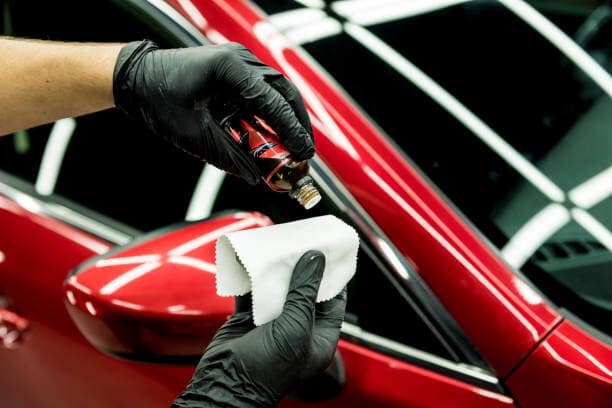
- Ceramic Coating: A liquid polymer that bonds with your car’s paint, providing a hydrophobic layer that repels water, dirt, and contaminants. It enhances gloss and offers UV protection but does not prevent rock chips or deep scratches. Brands like SB3 Coatings and System X are industry leading manufacturers of ceramic coatings, and are recognized on your vehicle’s CarFax report.
- Paint Protection Film (PPF): A clear, self-healing film that acts as a physical barrier against rock chips, scratches, and road debris. It’s ideal for high-impact areas like the front bumper and hood. Brands such as Xpel and STEK are recognized as the leading industry innovators of PPF.
For the best protection, many car owners combine ceramic coating with PPF, ensuring maximum durability, gloss, and defense against the elements. PPF should be completed prior to ceramic coating application. This is to ensure that the PPF is bonding with the paint itself, and not the ceramic coating.
Surface Preparation for Paint Protection
Before applying a ceramic coating, the vehicle’s surface must be properly prepped to ensure maximum adhesion, durability, and paint protection. Our preparation process includes the following steps:
- Washing: We begin with a thorough wash using a pH-balanced shampoo to remove dirt, road grime, and other surface contaminants.
- Decontamination: A combination of iron remover, tar remover, and a clay bar treatment is used to eliminate embedded particles, ensuring a smooth and contaminant-free surface.
- Paint Correction: If necessary, we perform polishing and compounding to remove swirl marks, oxidation, and minor scratches. This step is crucial for achieving a flawless finish before applying the coating.
- Final Cleaning: A wipe-down with an isopropyl alcohol (IPA) solution is conducted to remove any remaining oils or residues, leaving the surface in optimal condition for coating application.
Coating Application
Once the vehicle’s surface is fully prepared, the ceramic coating process can begin:
- Application: Using a specialized applicator pad, the ceramic coating is applied by hand in a crosshatch pattern to ensure even coverage.
- Leveling: After a short waiting period, the coating begins to flash, at which point a high-quality microfiber towel is used to remove any excess material and ensure a smooth, uniform finish.
- Panel-by-Panel Process: The application is done in small sections to maintain consistency and avoid streaking or uneven spots.
Curing Time
After the coating has been applied, it must go through a curing phase to achieve its full durability and hydrophobic properties:
- Initial Curing: The ceramic coating requires 24 to 48 hours to harden. During this period, the vehicle should not be exposed to water, as moisture can interfere with the curing process.
- Full Bonding: The coating continues to cure over the next 7 days, during which time harsh chemicals, automatic car washes, and excessive handling should be avoided.
- Long-Term Maintenance: Regular washes with a pH-neutral shampoo and periodic application of a ceramic booster help maintain the coating’s effectiveness.
Other Types of Paint Protection
Before the rise of ceramic coatings and paint protection film (PPF), traditional forms of paint protection like carnauba wax and paint sealants were the go-to choices. While these options still offer some level of protection, they are significantly inferior and outdated compared to modern solutions.
- Carnauba Wax: Once the gold standard, carnauba wax provides a temporary shine and slight hydrophobic properties. However, it wears off quickly—often lasting only a few weeks—and offers zero protection against scratches, UV damage, or harsh chemicals. Frequent reapplication is needed, making it more of a cosmetic solution than a protective one.
- Paint Sealants: These synthetic polymer-based coatings last longer than wax, typically up to 6 months. However, they lack the durability, heat resistance, and chemical protection of ceramic coatings. Unlike ceramic coatings, paint sealants do not bond at a molecular level, meaning they break down faster and require frequent maintenance.
Why Ceramic Coating & PPF Are Superior
Longer-Lasting: Unlike wax or sealants, ceramic coatings last years, not months.
Stronger Protection: Ceramic coatings and PPF offer real protection against UV rays, bird droppings, and chemical damage.
Less Maintenance: No need for frequent reapplication—just wash and go.
While wax and sealants might add temporary shine, they are no match for modern ceramic coatings and PPF, which provide true, long-lasting protection for your vehicle’s paint.
Conclusion
At Seminole Mobile Auto Detailing, our dedication to precision and quality ensures that your vehicle receives the best possible protection. Through thorough surface preparation, expert application, and careful curing, we provide a high-quality, long-lasting ceramic coating that enhances your vehicle’s shine and defense against the elements. Trust us to keep your car looking its best with our premium detailing services.
 English